

Russia–Israel Logistics: How the Process Works
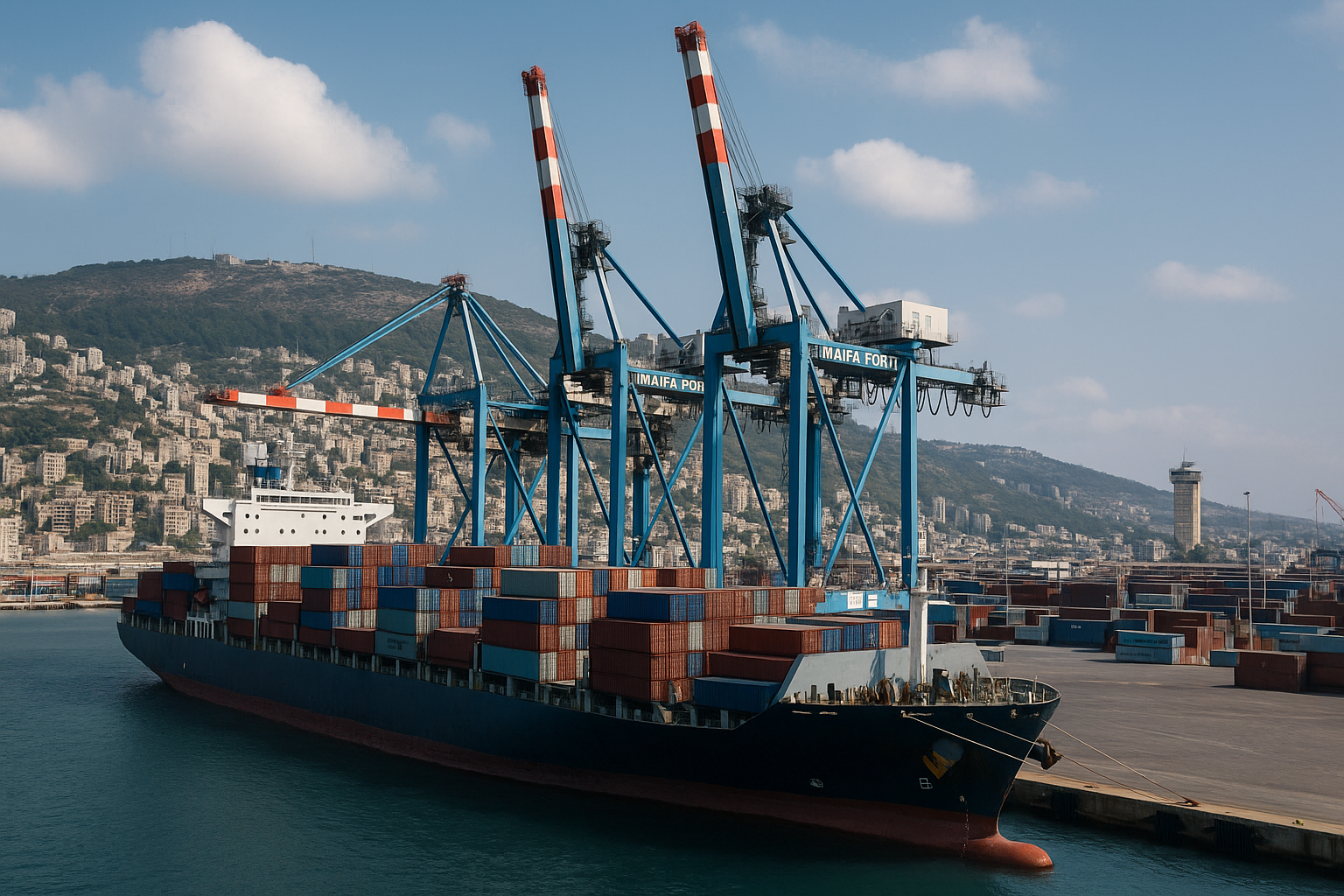
Logistics between Russia and Israel is a chain of processes where choosing the right shipping method and preparing accurate documentation play a critical role.
The main cargo transportation channels are sea freight and air freight. Each option serves different goals, timelines, and budgets.
Below is a detailed overview of both.
1. Sea Freight from Russia to Israel
Sea freight is the most common way to ship goods to Israel. It suits most cargo categories thanks to its balance of cost and reliability.
Main Route
Novorossiysk → Haifa / Ashdod
This is a direct route used by the majority of suppliers.
Transit Time
Typically 7 to 22 days, depending on the shipping line schedule, seasonality, and port congestion.
When Sea Freight Is the Best Choice
- Shipments of 1 pallet or more
- Regular import flows
- When cost efficiency is more important than speed
Shipping Formats
- LCL — Less than Container Load for small batches
- FCL — Full Container Load (20’ / 40’)
Advantages
- Lowest transportation cost
- Stable and predictable
- Flexible volumes
Drawbacks
- Possible delays during peak seasons
2. Air Freight
Air freight is the fastest delivery option between Russia and Israel.
Transit Time
Usually 2–7 days, including handling.
When Air Freight Is Chosen
- Urgent shipments
- High-margin goods
- Product samples
- Small volumes where sea freight is impractical
Advantages
- Maximum speed
- Low risk of damage
- Predictable timelines
Drawbacks
- High cost
- Restrictions on size, weight, and cargo type
3. What Affects Shipping Costs?
Shipping costs depend on:
- Cargo weight and volume
- Chosen transport mode (LCL, FCL, Air)
- Seasonality
- Port congestion
- Certification requirements
- Product specifics
- Distance from supplier’s warehouse to the port
How to Reduce Costs?
Consolidation.
Combining several small shipments into one can reduce costs by 30–40%.
4. How to Avoid Delays at Israeli Ports
Most delays occur due to documentation errors.
Common Causes
- Incorrect invoice or packing list
- Wrong HS code
- Missing mandatory permits
- Certification mismatches
- Inconsistencies between exporter and importer data
Proper document preparation before shipment is the key to smooth import clearance.
5. How G-Unit Makes Logistics Predictable
We provide a single, fully managed process from Russia to Israel.
What We Do
- Plan routes and calculate delivery options
- Collect cargo from suppliers and consolidate shipments
- Handle export through our legal entity
- Control international transportation and cargo movement
- Support port and customs operations in Israel
- Organize final delivery to the client’s warehouse
The client receives a transparent, controlled, and secure logistics process, without losses or delays.
Conclusion
International logistics is a multi-stage system.
To ensure fast and risk-free delivery, it is essential to:
- Choose the right route
- Prepare documentation accurately
- Manage export and import correctly
- Track cargo movement
- Work with one operator, not a chain of contractors
G-Unit brings all of this together into a single service, making shipments reliable, cost-effective, and predictable.